

Key Takeaways:
- Despite the April 8 ceasefire, the stock market during the Iran war remains volatile, with the Strait of Hormuz still effectively closed.
- Brent crude hit $138 in early April, the Magnificent Seven led the equity drawdown, and sector impacts have been uneven.
- S&P 500 Q1 2026 earnings grew over 25%, a sixth straight double-digit quarter, and a reminder that stock prices and business value are not the same thing.
- Geopolitical shocks tend to drive short-term volatility, not long-term equity declines.
- WealthArch’s “don’t lose money” approach (value investing with a margin of safety) is built for exactly this kind of tape.
- For investors, the best moves are usually quiet ones: revisit your allocation, diversify, and don’t time the headlines.
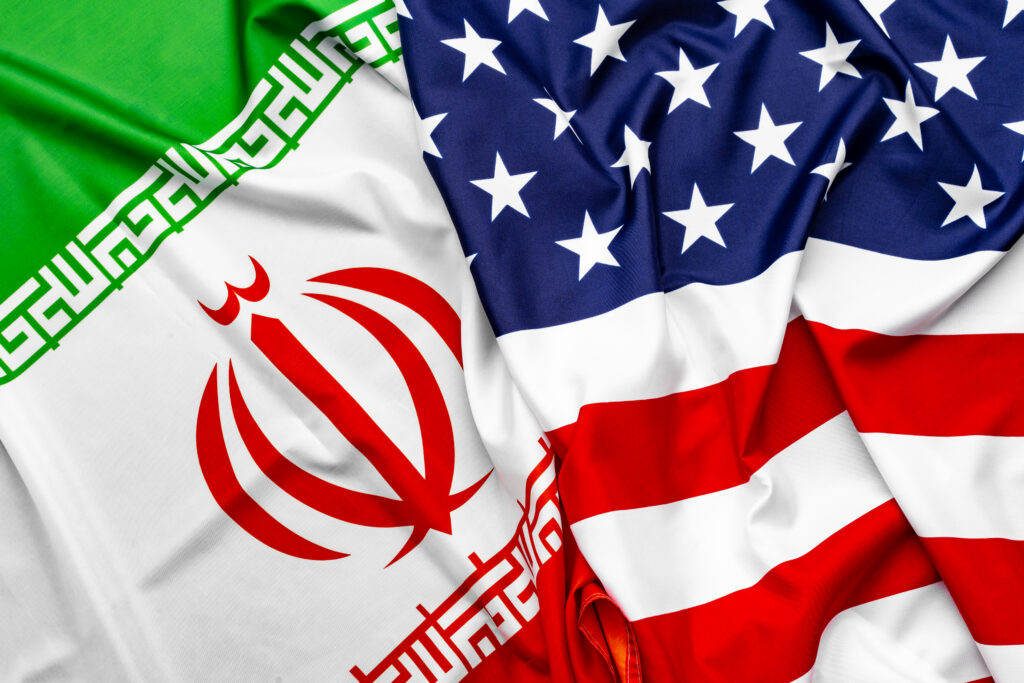
The joint U.S.-Israeli war with Iran that began on February 28, 2026, has done what most geopolitical shocks do: moved markets sharply, dominated the headlines, and left long-term investors asking a familiar question: Should I be doing something with my portfolio?
Since the opening strikes and the disruption of the Strait of Hormuz, oil has spiked, the bond market has sold off, and equities have swung in both directions. A ceasefire took effect on April 8, 2026, ending the most intense phase of the conflict, but the situation isn’t fully resolved.
The Strait remains effectively closed, the U.S. began a naval blockade in mid-April, and oil prices have stayed elevated above $100 a barrel. The instinct to react to all of this is understandable.
But for investors with substantial assets at stake, the right move is rarely the reactive one. At WealthArch Investment Services, our view is that the stock market during the Iran war is best navigated the same way we navigate every market; by paying close attention to what businesses are actually worth and far less attention to what the headlines say they should be worth tomorrow.
Here’s what’s happened, what it means, and how we’re thinking about investing during the Iran war.
A Quick Timeline of the Market Reaction
Markets fell sharply after the conflict opened on February 28, 2026. Within the first full week of trading, U.S. crude climbed more than 35%, the biggest weekly gain since the futures contract launched in 1983, and Brent crude pushed past $90 a barrel, eventually reaching a high of $138 on April 7 after the Strait of Hormuz was effectively closed. Stocks declined globally, the Magnificent Seven technology names led the drawdown, and bond yields jumped on inflation concerns.
Then something quieter happened. Despite the noise, S&P 500 earnings have come in well above pre-season expectations. The blended Q1 2026 growth rate now sits above 25%, the strongest since late 2021, and marks the sixth straight quarter of double-digit earnings gains.
That’s the disconnect we’ve been talking about with clients: the Iran war stock market impact has been loud at the index level, but underneath it, the companies we actually own have continued doing what they were doing before the war started. Stock prices and the underlying value of a business are very different things, and moments like this tend to make that gap more visible, not less.
Why the Strait of Hormuz Matters More Than Most Headlines

About a fifth of the world’s oil moves through the Strait of Hormuz. When that traffic stops or slows, the oil price shock is immediate. Brent crude doesn’t move in isolation; it pulls inflation expectations higher, which pressures interest rates, which compresses the multiples investors are willing to pay for stocks. That’s the chain reaction behind the recent stock market volatility in 2026, and it’s why a regional conflict on the other side of the world can show up in a portfolio in Calgary or Cleveland within hours.
The geopolitical risk here is real. The ceasefire helped, but with the Strait still constrained and the U.S. blockade in place, the underlying pressure on energy markets hasn’t gone away. Markets have priced oil shocks before, and the framework for thinking about them hasn’t changed much.
Sectors Feeling the Most Pressure and the Most Lift
How the Iran war affects stocks depends heavily on where you’re looking. The damage and the opportunity have not been evenly distributed:
- Energy stocks have been mixed. Producers benefit from higher crude, but refiners and integrated names face margin pressure and demand-destruction risk if prices stay elevated.
- Defense stocks have firmed up as military spending momentum builds globally, particularly in drones, satellites, and missile defense.
- Airlines and cruise lines are squeezed from both sides with higher jet fuel costs and higher insurance premiums on routes near the conflict zone.
- The Magnificent Seven has experienced a meaningful market drawdown, which, for disciplined investors, has started to surface selective opportunities in names that were previously priced for perfection.
- Consumer discretionary is feeling the inflation drag as household budgets tighten.
None of this is a call on individual companies. It’s a map of where the pressure is concentrated, so you can see whether your existing exposure matches your tolerance for that pressure.
What History Suggests About Geopolitical Shocks
The 1970s oil crisis, the Gulf War, 9/11, and the early days of the Ukraine conflict. Each one produced a sharp, short-term move in equities, and each one was followed by a longer-term recovery driven by earnings. That isn’t a guarantee about this conflict. But the pattern is consistent enough that long-term investing discipline tends to outperform tactical reactions to headlines, especially headlines about wars.
The takeaway isn’t “ignore the risk.” It’s that stock market volatility during a geopolitical event is not the same thing as permanent loss. The two get conflated in moments like this, and conflating them is what drives the most damaging investor behavior.
A “Don’t Lose Money” Approach in a Volatile Tape

WealthArch’s first rule is “don’t lose money.” That sounds simple, and on a calm day, it almost sounds unnecessary. In a volatile tape, it’s the entire job.
The way we apply it is through value investing. This aligns closer in spirit to Warren Buffett than to the one-size-fits-all model many large Wall Street firms push. We only invest in companies where the stock price sits well below our assessment of what the underlying business is worth. That buffer (margin of safety) is what reduces the risk of permanent loss when markets drop, lowers portfolio volatility, and gives clients something to hold onto when the news cycle wants them to panic.
When we describe the posture we take into a tape like this one, we use the word “conservative.” There is no such thing as a risk-free stock. There is such a thing as a conservative position in a company you understand, bought at a price that gives you room to be wrong. That distinction matters far more in a week like this than in a quiet quarter, and it’s the foundation of how we think about portfolio resilience for the conservative investor.
What Our Clients Are Hearing From Us Right Now
Transparency is one of the reasons clients choose WealthArch in the first place, and it’s especially valuable during a period like this one. Our team’s standing practice doesn’t change when headlines do:
- After every meaningful earnings call or major event, Earl writes a detailed update explaining what he’s doing with client investments and why.
- Trade email updates go out after every buy or sell, including the reasoning behind each move, and write-ups on macro events in the EU, China, or the Middle East when they affect a holding.
- 100% of Earl’s personal net worth is invested in the same investments his clients hold. He refers to clients as partners for a reason: when the portfolio is tested, he is being tested alongside them.
- Existing clients also receive unlimited meetings and complimentary analysis on outside accounts, including employer-sponsored retirement accounts and 401(k) holdings, life insurance, and annuities, plus cash flow guidance for the next twelve months as part of their wealth management service.
Practical Considerations for Investors
A few things to consider when the market gets loud:
- Revisit your allocation against your actual risk tolerance. A 60/40 mix that felt right in a calm market may feel different now. That feeling is useful information.
- Diversify across stocks, bonds, and money markets. Diversification is a buffer against being wrong about any single position. It is not, on its own, a path to building wealth faster; that comes from owning the right businesses at the right prices.
- Don’t time the headlines. Markets move on the next piece of news, not the last one. Reacting to what just happened is reacting to a price that has already moved.
- Watch for valuation dislocations. Drawdowns surface them. This is when patient capital tends to get rewarded.
- Review your cash flow for the next twelve months. Particularly important if you’re approaching the transition into retirement and may need to draw from the portfolio in the near term.
When It’s Worth Talking to a Fiduciary
A fiduciary advisor is legally obligated to act in your interest. That isn’t a license, it’s a standard of conduct, and not every advisor who claims it actually meets it. WealthArch’s team of advisors backs the standard with a fiduciary guarantee that we build our foundation on. The terms are public, and you can review them on our fiduciary guarantee page.
Earl has the CFA (Chartered Financial Analyst) designation, more than twenty years of experience, and runs his entire personal portfolio in the same investments as the firm’s clients. The team is independent and not beholden to a large bank’s product shelf. Which means recommendations are driven by what makes sense for the client, not by what a parent company needs to sell this quarter.
If the Iran war and your portfolio have been on your mind, that’s a reasonable conversation to have with someone whose interests are aligned with yours.
Schedule a Free Consultation to talk through your situation directly, or Sign Up for 30 Days of Free Advisory Emails to see how we communicate with clients before you commit to anything.
*Please note that this information is current as of 5/14/2026.